EU clothing imports fell in volume by 2.5% to 4.40 mn tons during the 12 months ending June 30, 2009. In terms of value, however, they increased by 2.9% to a total of Euro60.08 bn (US$82.00 bn). The average price of imports rose by a firm 5.6%.
The largest supplier of clothing to the EU during the year was China with a 44.8% share of the total by value—up by a sizeable 6.3 percentage points from a share of 38.5% a year earlier. Chinese manufacturers have enjoyed growing demand from buyers in the EU, partly because they have successfully dealt with the rising value of the renminbi and upward pressure on wages. They have done so by moving upmarket and making better quality clothing while relocating basic manufacturing operations to lower cost areas inland or abroad.
Of the remaining top ten supplying countries, Bangladesh, India, Sri Lanka and Pakistan were the only other suppliers to enjoy growth in value and volume terms during the year ending June 30, 2009.
In fact, imports from Bangladesh were up by 15.3% in value and 3.4% in volume, and there was an 11.5% rise in the average import price. Imports from India rose by 4.9% in value and by 3.0% in volume, and the average import price went up by 1.8%. Imports from Sri Lanka were up by 10.2% in value and by 1.6% in volume, reflecting an 8.4% increase in the average import price. Imports from Pakistan, which entered the top ten for the first time, were up by 3.7% in value and 0.3% in volume.
In the case of Vietnam, EU imports rose by 6.7% in value terms but fell by a sharp 32.7% in volume—reflecting a significant 58.6% rise in the average price.
Meanwhile, three suppliers located on the Mediterranean rim—Turkey, Tunisia and Morocco—all performed disappointingly despite their close proximity to the EU market, as EU imports from those countries fell in value and volume.
| Table of Contents |
- Trade and trade policy: the EU clothing import market and its ten largest suppliers
-
- Summary
- Key European markets: clothing demand forecasts to 2013
- General trends in EU clothing imports
- EU clothing imports from China and developments in the Chinese clothing sector
- EU clothing imports from Turkey and developments in the Turkish clothing sector
- EU clothing imports from Bangladesh and developments in the Bangladeshi clothing sector
- EU clothing imports from India and developments in the Indian clothing sector
- EU clothing imports from Tunisia and developments in the Tunisian clothing sector
- EU clothing imports from Morocco
- EU clothing imports from Vietnam and developments in the Vietnamese clothing sector
- EU clothing imports from Sri Lanka and developments in the Sri Lankan clothing sector
- EU clothing imports from Indonesia
- EU clothing imports from Pakistan and developments in the Pakistani clothing sector
- Statistical appendix
Product Overview
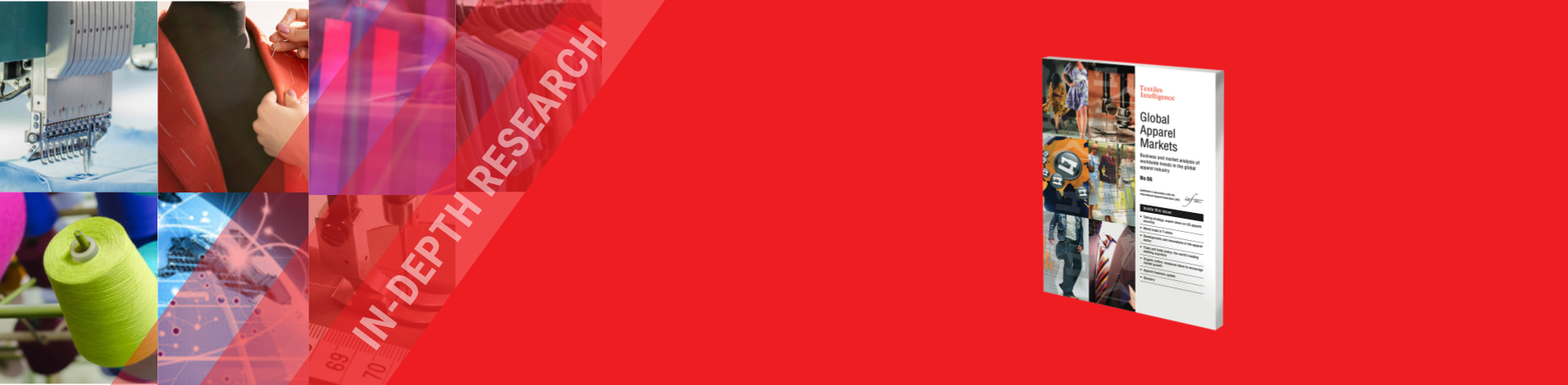
| Global Apparel Markets provides intelligence, analysis and insight on the global apparel industry. | |
 | |
| What's in it? Each issue contains: essential information on trade and trade policy; news from leading brands, companies and other organisations; analysis of key geographical markets; and expert opinions on strategy. A single issue of Global Apparel Markets includes:  practical and strategic advice from industry experts a report on a key geographical market a round-up of the latest product innovations a feature on trade and trade policy comprehensive information on the latest business developments practical and strategic advice from industry experts a report on a key geographical market a round-up of the latest product innovations a feature on trade and trade policy comprehensive information on the latest business developments An annual subscription to Global Apparel Markets is a cost-effective way to keep informed about trends and developments in the global apparel industry. Subscriptions are available in printed and/or digital formats. Printed and digital subscribers receive each issue in printed format in addition to a digital PDF file, which is available immediately on publication. Subscribers also receive a complementary digital subscription to Global Apparel Update, delivered directly by email once a month. This free supplement contains essential information on business news and the latest product developments. Like all Textiles Intelligence publications, Global Apparel Markets is a reliable source of independently sourced business information, and it does not carry advertising. |